

Pet Loss Grief Support Blog
For the grief that changed everything. You are not alone here.
Not sure where to start? Try searching: guilt, grief timeline, support groups, memorialize, children

How to Find Support Groups for People Who Have Lost Their Dogs
You are not too much. Your grief is not an overreaction. Here is how to find pet loss support groups, grief hotlines, and communities that truly understand — plus what to do when you are not ready to talk yet.

Understanding the Kübler-Ross and Worden Frameworks for Pet Loss Grief
Both the Kübler-Ross stages and Worden's Four Tasks of Mourning confirm that grief is non-linear and deeply individual. K9 Hearts explains both frameworks honestly — what they mean, how they apply to pet loss, and why understanding them helps you stop judging yourself for how you grieve.

Do Pets Grieve? What Science Says About Animal Loss
Yes, pets grieve — and research confirms it. If your surviving dog is searching the house, eating less, or following you everywhere since your other dog died, K9 Hearts explains what the science says and how to help both of you heal.

Why Does Pet Loss Feel Harder Than Human Loss?
Losing a dog can feel just as devastating as losing a person — and research confirms that is not an overreaction. At K9 Hearts, we believe pet grief deserves the same witness and support as any other loss. Here is what the science says, and why it matters.

Why Do I Feel So Guilty After Losing My Dog?
Guilt after losing a dog is one of the most painful parts of pet loss grief — and one of the least talked about. Learn why it happens, what the research says, and gentle ways to begin healing. K9 Hearts is here to walk with you.

How Long Does Pet Grief Last?
There is no set timeline for pet grief. Research shows that grief after losing a dog can mirror the intensity and duration of grief after human loss — and that the depth of your mourning reflects the depth of your bond. K9 Hearts explores what the research actually says, why society's unspoken rules make this grief harder to carry, and what healing really looks like.

What Do You Do When the Grief of Losing Your Dog Feels Too Heavy to Carry?
When the grief of losing your dog stops being something you are moving through and starts being something you are stuck inside, you do not have to carry it alone. This is a complete guide to free support groups, hotlines, online communities, Facebook groups, and professional pet loss counselors — organized by what you need right now.
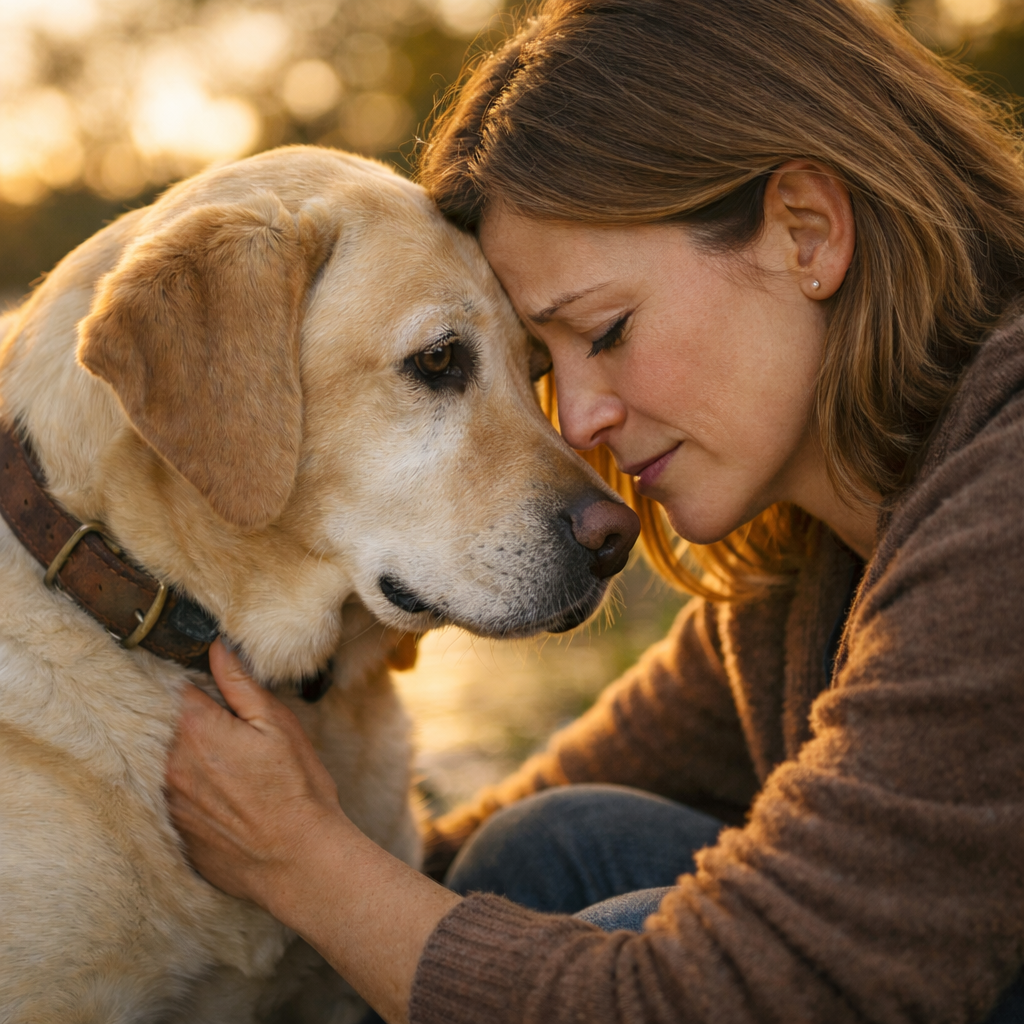
What is a Heart Dog?
A heart dog is not just the dog you loved most — it is the dog who became part of how you survived a season, understood yourself, or found your way back to something real. K9 Hearts founder Paige Cummings explores what a heart dog is, how to recognize one, and why the grief when they are gone — or leaving — feels like nothing else.

For my Aunt Cindy and Cheyenne: How to Cope Every Day When Your Dog Has a Terminal Diagnosis
For dogs facing a serious diagnosis, anticipatory grief is one of the most painful and least-discussed experiences in pet loss. This blog provides peer-reviewed coping strategies, a free downloadable daily care journal, a gentle bucket list framework, and compassionate guidance for navigating impossible treatment decisions — written in honor of one extraordinary Australian Shepherd and the woman who loved him.

How to Memorialize a Dog After They Pass?
When a beloved dog passes, the instinct to honor them is not just emotional — it is healthy. Research in pet bereavement shows that memorialization is one of the most effective ways to process grief. From memory spaces and journal writing to living tributes and legacy portraits, this guide explores compassionate, research-supported ways to memorialize your dog and carry their love forward. Where losing your best friend is understood.

What Resources Are Available for Coping with the Death of a Beloved Pet?
When your dog dies, the grief is real — and you deserve real support. This evidence-based guide covers every resource available for coping with pet loss, from therapeutic guided journals and memorial art to peer support communities, grief hotlines, and professional counseling. Backed by peer-reviewed research. Written by a founder who has walked this path. K9 Hearts offers a complete ecosystem of compassionate support for bereaved dog owners — because it was never just a dog.

How to Create a Picture of Your Dog Who Crossed the Rainbow Bridge
When your dog crosses the rainbow bridge, photographs become sacred — but sometimes a photo alone doesn't feel like enough. Discover grief-informed ways to create a meaningful picture of your dog after they've passed, from AI-enhanced memorial portraits to photo books, shadow boxes, and canvas prints. Backed by peer-reviewed research on visual memorialization and pet loss grief, this guide walks you through every option — including the K9Hearts EOP Legacy Portrait, a custom tribute starting at $97 that honors not just what your dog looked like, but who they were. Because every dog who changed a life deserves to be remembered as if they did.

What is End of Paw Prints (EOP) — and Why It Matters
EOP — End of Paw Prints — gives dog loss the name it has always deserved. Learn what it means, why K9 Hearts founder Paige Cummings created it, and how to honor your dog's legacy with a ritual that says: this dog mattered.
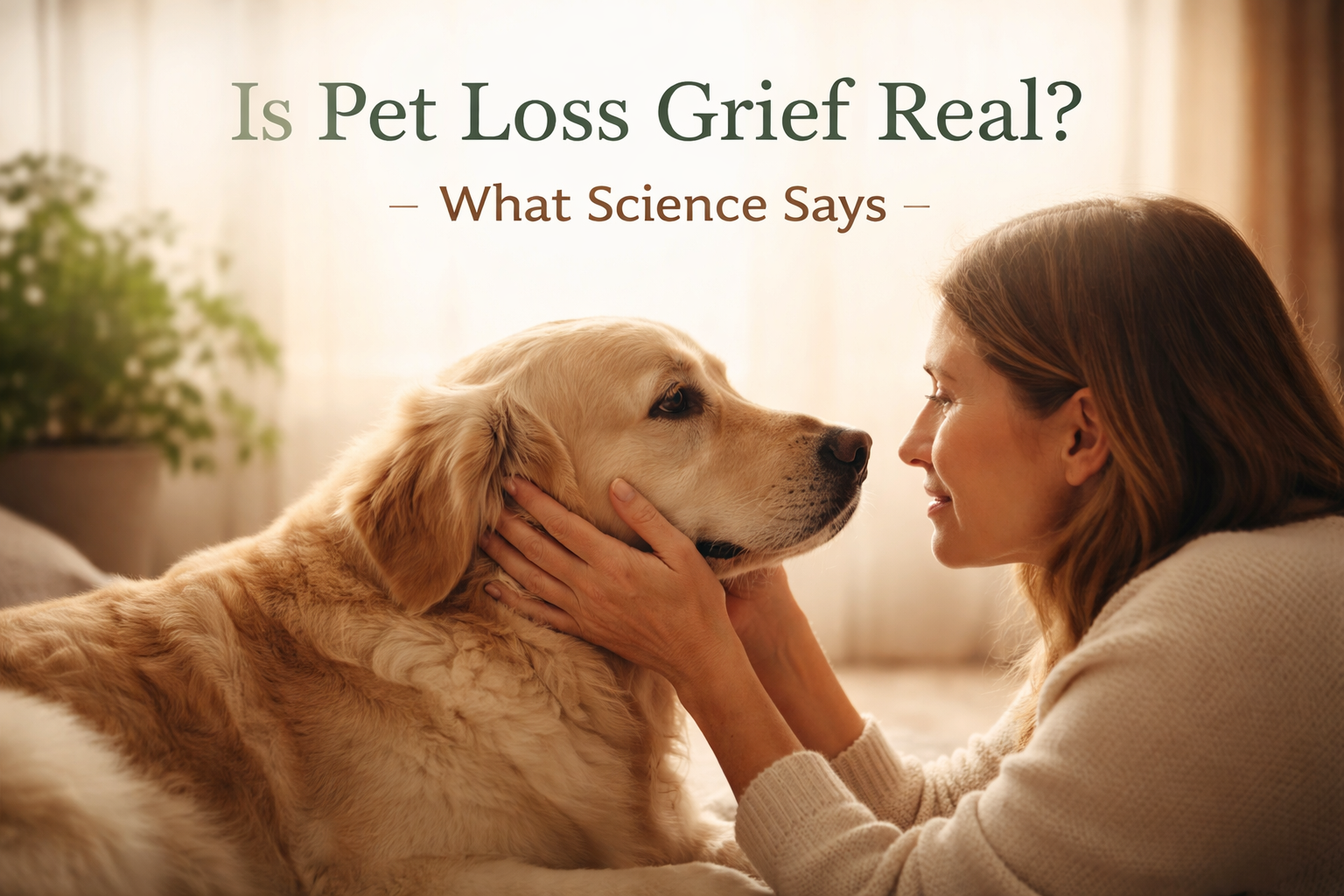
Is Pet Loss Grief Real? What Science Says
Is pet loss grief real? Yes — and science proves it. Research shows pet loss activates the same brain regions as human loss, triggers measurable grief symptoms in over 85% of bereaved pet owners, and can reach clinical levels for some. If you have ever wondered whether your grief over losing a dog is valid, this post answers that question with the evidence to back it up.

What to Say (and Not Say) to Someone Who Lost Their Dog
When someone loses their dog, the people around them often don't know what to say — and sometimes say things that unintentionally hurt. This guide walks through what actually helps, what to avoid, and why pet loss grief is far more real and profound than our culture gives it credit for.
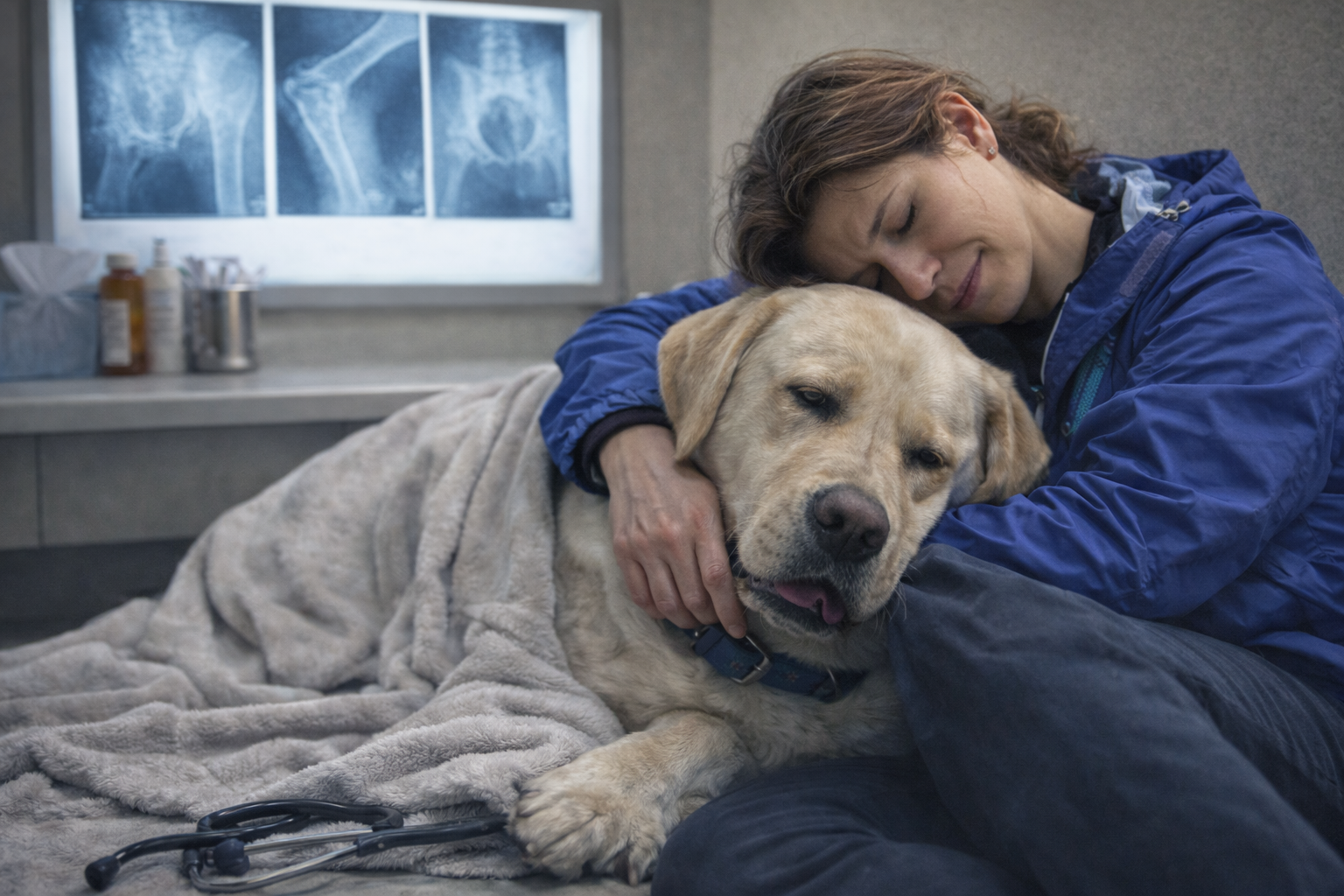
Loving a Dog with a Broken Body: Navigating Medical Decisions When There Are No Good Answers
When your dog has a chronic or terminal illness, every medical decision feels impossible. There are no good options—only choices between terrible and slightly less terrible. When Charlie was diagnosed with degenerative joint disease in all four legs at just three years old, I faced constant quality of life assessments, treatment decisions with no guarantees, and the agonizing question: when is it time? If you're navigating medical decisions for a dog with progressive illness, genetic conditions, or terminal diagnosis, you're living between hope and reality. Learn how to make compassionate choices when there are no right answers—only decisions made with love and incomplete information.
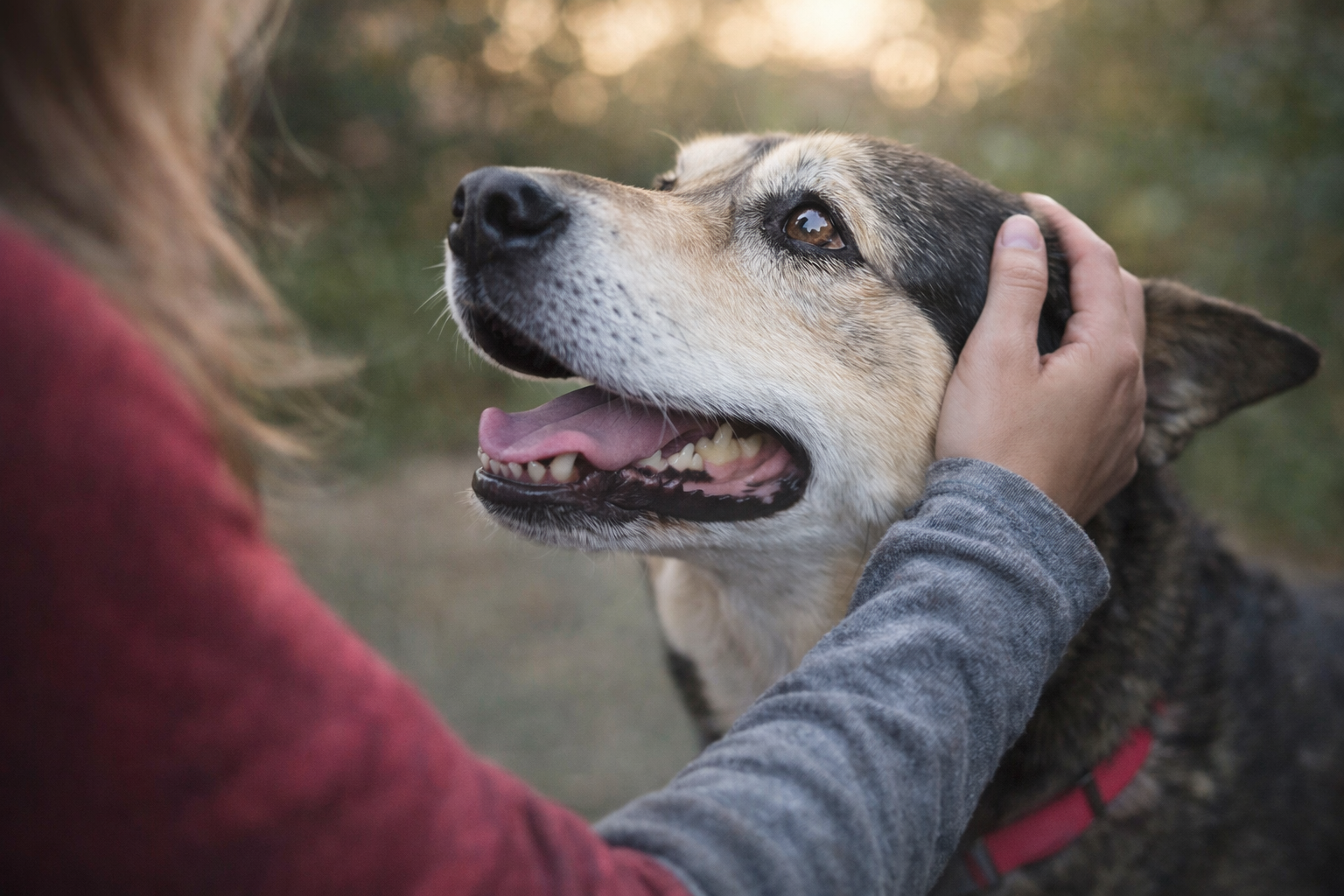
What Your Dog Taught You About Love: Mining Your Grief for Gratitude (Without Toxic Positivity)
Being told to "focus on gratitude" after losing your dog can feel like toxic positivity that dismisses your grief. But genuine gratitude and devastating loss aren't opposites—they're companions. Charlie taught me profound lessons about unconditional love, presence, and vulnerability in just three years. His short life changed everything, and acknowledging those gifts doesn't diminish the pain of losing him. If you're struggling to honor what your dog gave you while being honest about how much it hurts, this is for you. Learn how to hold gratitude and grief together without bypassing the hard emotions or forcing premature healing.

What Anticipatory Grief Actually Feels Like, Day by Day: A Guide for Those Watching Their Dog Decline
What does anticipatory grief actually feel like when your dog is dying? This honest, research-informed guide walks through the daily emotional reality — morning quality-of-life assessments, nighttime fear, guilt, exhaustion, and impossible decisions — and offers practical support for those living inside pet loss grief before the loss occurs. Written by Paige Cummings, founder of K9 Hearts, whose own experience with Charlie's decline shaped K9 Hearts' grief support mission.

The Collar Still Jingles in My Mind: Understanding Phantom Sounds in Pet Loss Grief
Hearing your dog's nails on the floor after they're gone — or catching the jingle of their collar in an empty house — is called a sensory grief experience, and research shows it occurs in 42–82% of bereaved individuals. Learn what the science says, why it happens, and how to move through it with compassion.

When Three Years Feels Like Forever: Losing a Dog Too Soon, and the Grief That Built K9Hearts
Charlie Brown lived three years. Before we even reached his final diagnosis, we traveled through a suspected CCL tear, a bone cancer scare, and a Lyme disease verdict that made no sense — each one carrying its own wave of anticipatory grief. His death was not fair. And it became the reason K9Hearts exists.