

Pet Loss Grief Support Blog
For the grief that changed everything. You are not alone here.
Not sure where to start? Try searching: guilt, grief timeline, support groups, memorialize, children

What to Say (and Not Say) to Someone Who Lost Their Dog
When someone loses their dog, the people around them often don't know what to say — and sometimes say things that unintentionally hurt. This guide walks through what actually helps, what to avoid, and why pet loss grief is far more real and profound than our culture gives it credit for.
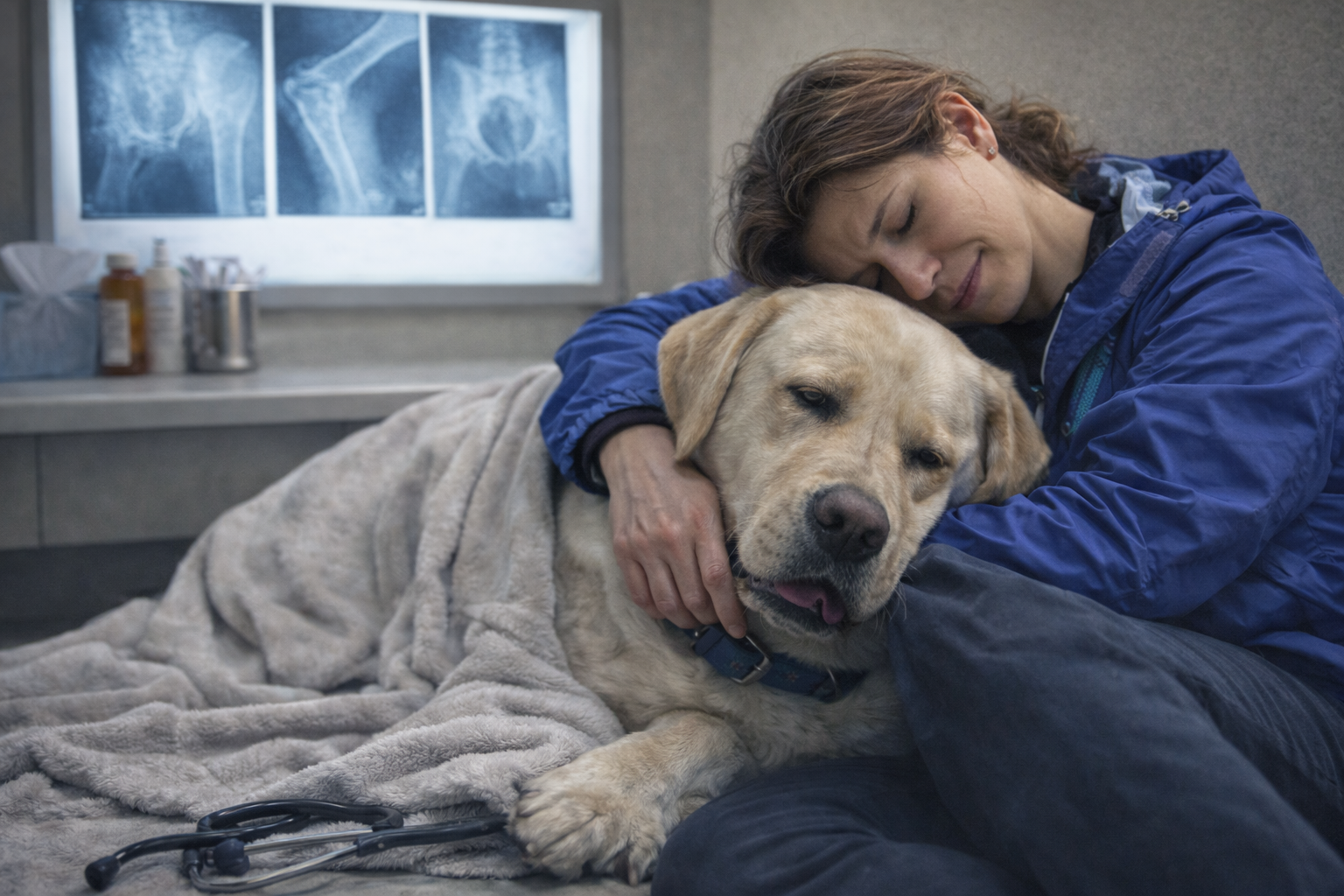
Loving a Dog with a Broken Body: Navigating Medical Decisions When There Are No Good Answers
When your dog has a chronic or terminal illness, every medical decision feels impossible. There are no good options—only choices between terrible and slightly less terrible. When Charlie was diagnosed with degenerative joint disease in all four legs at just three years old, I faced constant quality of life assessments, treatment decisions with no guarantees, and the agonizing question: when is it time? If you're navigating medical decisions for a dog with progressive illness, genetic conditions, or terminal diagnosis, you're living between hope and reality. Learn how to make compassionate choices when there are no right answers—only decisions made with love and incomplete information.
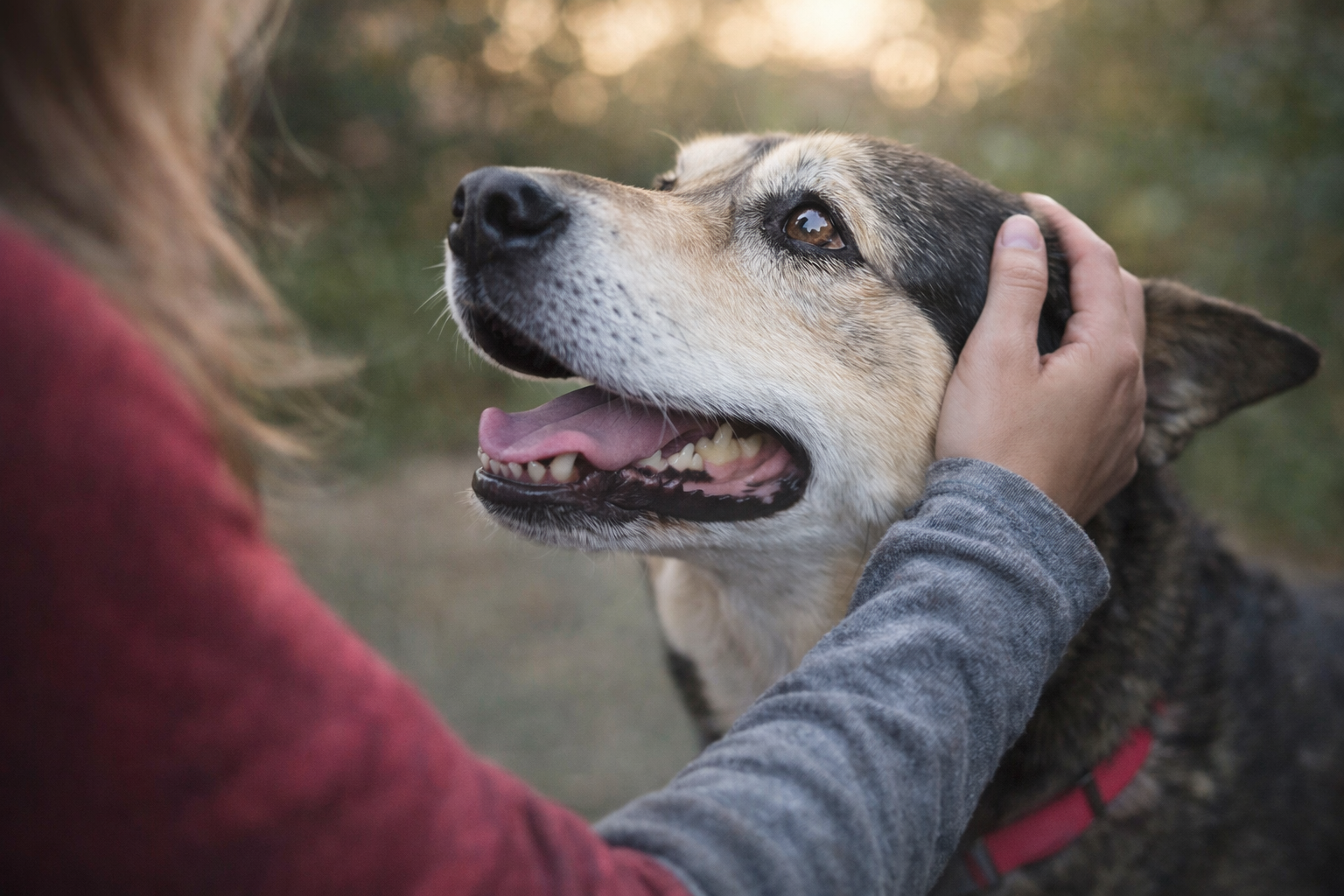
What Your Dog Taught You About Love: Mining Your Grief for Gratitude (Without Toxic Positivity)
Being told to "focus on gratitude" after losing your dog can feel like toxic positivity that dismisses your grief. But genuine gratitude and devastating loss aren't opposites—they're companions. Charlie taught me profound lessons about unconditional love, presence, and vulnerability in just three years. His short life changed everything, and acknowledging those gifts doesn't diminish the pain of losing him. If you're struggling to honor what your dog gave you while being honest about how much it hurts, this is for you. Learn how to hold gratitude and grief together without bypassing the hard emotions or forcing premature healing.

What Anticipatory Grief Actually Feels Like, Day by Day: A Guide for Those Watching Their Dog Decline
What does anticipatory grief actually feel like when your dog is dying? This honest, research-informed guide walks through the daily emotional reality — morning quality-of-life assessments, nighttime fear, guilt, exhaustion, and impossible decisions — and offers practical support for those living inside pet loss grief before the loss occurs. Written by Paige Cummings, founder of K9 Hearts, whose own experience with Charlie's decline shaped K9 Hearts' grief support mission.

The Collar Still Jingles in My Mind: Understanding Phantom Sounds in Pet Loss Grief
Hearing your dog's nails on the floor after they're gone — or catching the jingle of their collar in an empty house — is called a sensory grief experience, and research shows it occurs in 42–82% of bereaved individuals. Learn what the science says, why it happens, and how to move through it with compassion.

When Three Years Feels Like Forever: Losing a Dog Too Soon, and the Grief That Built K9Hearts
Charlie Brown lived three years. Before we even reached his final diagnosis, we traveled through a suspected CCL tear, a bone cancer scare, and a Lyme disease verdict that made no sense — each one carrying its own wave of anticipatory grief. His death was not fair. And it became the reason K9Hearts exists.

What Are The Best Journals for Pet Loss Grief? Finding Your Healing Companion
Choosing the right grief journal matters. Compare different approaches to pet loss journaling, understand what makes a journal truly therapeutic, and find the companion that fits your healing journey.